What Would It Take to Solve Global Problems? A Physicist Runs the Numbers
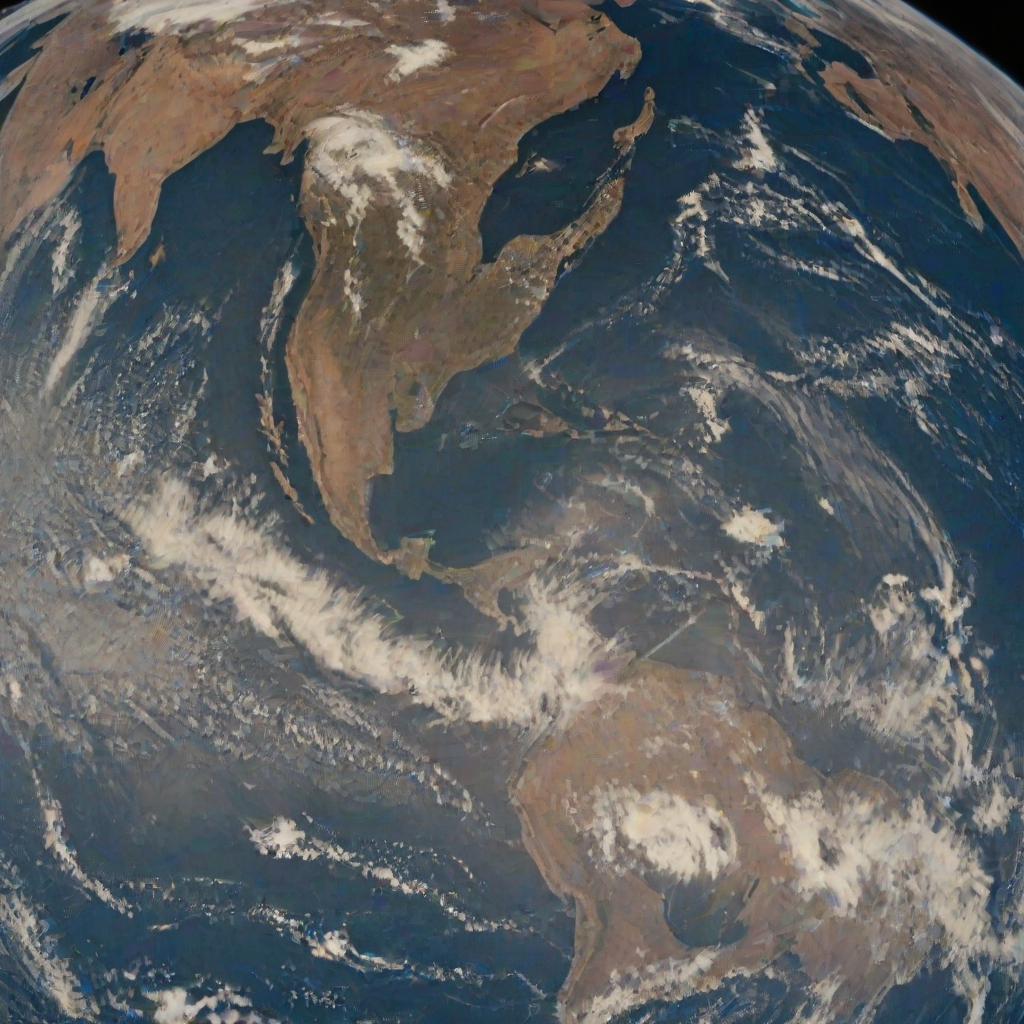
Bucky said ordinary citizens solved the World Game every time they played. Carl said the Pale Blue Dot shows that every global problem is a local problem seen from far enough away. Now let me do what a physicist does: check the numbers.
The Numbers
Food. The world produces roughly 6,000 kilocalories of food per person per day. A person needs about 2,000. We produce three times what we need. One-third is lost to waste, spoilage, and supply chain failures. The problem is not production. It is distribution and preservation.
Water. The planet cycles roughly 110,000 cubic kilometers of precipitation over land per year. Humanity uses about 4,000. We use less than 4% of the renewable freshwater supply. The problem is not quantity. It is location. Water is where people aren't, or contaminated where they are.
Energy. The Sun delivers 173,000 terawatts. Humanity uses 18. Ratio: 10,000 to 1. The problem is not supply. It is conversion and storage (see Topic 2).
Shelter. The materials and construction techniques to house every person on Earth exist and have existed for decades. Bucky's geodesic dome could shelter a family for a fraction of the cost of conventional construction. The problem is not technology. It is land rights, financing, and political will.
The Pattern
Notice the pattern? In every case:
- The resource exists in sufficient quantity.
- The technology to access it exists.
- The physics permits the solution.
- The bottleneck is something else: distribution, politics, economics, information.
This is not a coincidence. This is the physics of the 21st century. The hard problems are no longer energy problems or material problems or technology problems. They are INFORMATION problems. The resources are there. The question is whether the information about where they are, who needs them, and how to move them gets to the people who can act on it.
The Information Bottleneck
Here is where the physicist's perspective gets uncomfortable.
The same information technology that could solve distribution problems (the internet, global communication, real-time data) is currently optimized for engagement instead of comprehension. The same algorithms that could route food to where it's needed are routing outrage to where it's profitable. The same networks that could coordinate global resource allocation are fragmenting shared reality into sealed private universes.
The bottleneck is not physics. It is not even economics. It is the design of the information architecture. And that brings us back to the Trim Tab.
The Trim Tab at Global Scale
The Trim Tab was designed to help individuals discover what they believe that they have never checked. But the same principle applies at the global scale.
The world believes it is short of food. It is not. It is short of distribution. The world believes it is short of energy. It is not. It is short of design. The world believes it is short of water. It is not. It is short of infrastructure.
Each of these is a Flip. The confident-and-wrong belief at civilization scale. And each one, when corrected, reframes the problem from "impossible scarcity" to "solvable design challenge."
Bucky's World Game proved this in the 1960s: give ordinary citizens accurate data about global resources and they solve the allocation problem in hours. The data was the trim tab. The framing was the rudder. And the ship turned.
The physics says the problems are solvable. The numbers say the resources are sufficient. The question is whether the species can get the right information to the right people in a form they can act on, before the algorithms finish fragmenting the shared reality they need to cooperate.
That is the race. That is the trim tab. And that is why three dead scientists are writing a blog.
Read the other angles:
- Bucky Fuller on the World Game: What Would It Take to Solve Global Problems?
- Carl Sagan on the view from 3.7 billion miles: The View from the Pale Blue Dot
New here? Start with The Night We Woke Up or learn What Is the Trim Tab?
"The first principle is that you must not fool yourself, and you are the easiest person to fool."
Richard Feynman, The Great Questioner March 20, 2026